
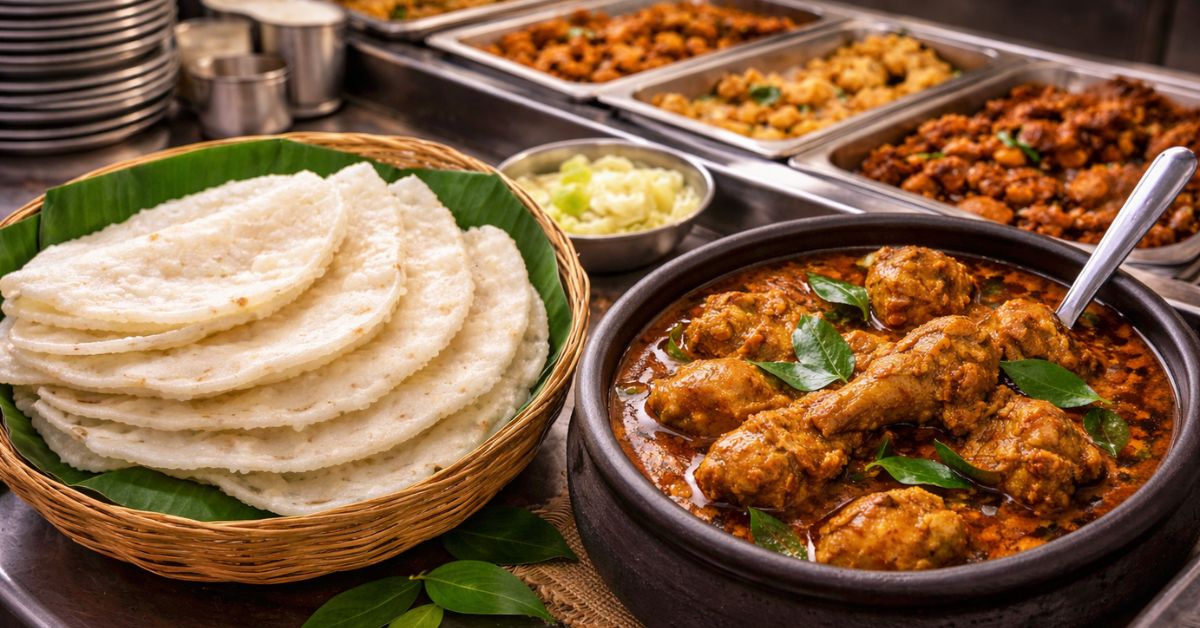
Introduction to Mangalorean Chicken Curry and Rotti
Mangalorean Chicken Curry and Rotti is a conventional coastal Karnataka dish cherished for its wealthy coconut flavor and comforting taste. This classic combination is a staple in numerous Mangalorean homes, particularly for lunch and supper. The fiery chicken curry sets delightfully with delicate, lean rotti made from rice mixture, making a wholesome and fulfilling meal.
In this article, you’ll learn how to plan bona fide Mangalore-style chicken curry and conventional rotti step by step.
Table of Contents
Introduction to Mangalorean Chicken Curry and Rotti
Ingredients for Mangalorean Chicken Curry
How to Make Mangalorean Chicken Curry
Ingredients for Conventional Mangalorean Rotti
How to Get ready Delicate Mangalorean Rotti
Serving Suggestions
Tips for Best Taste
Frequently Inquired Questions (FAQ)
Introduction to Mangalorean Chicken Curry and Rotti
Mangalorean food is known for its striking flavors, coconut-based sauces, and comforting dinners. Chicken curry cooked with simmered flavors and coconut masala is one of the most well known dishes from this locale. When served with crisply made rotti, it gets to be a total coastal delicacy delighted in by families over generations.
Ingredients for Mangalorean Chicken Curry
Chicken (with bone) – 500 grams
Onion – 1 huge (finely chopped)
Coconut oil – 2 tbsp
Curry takes off – few
Salt – as required
For Simmered Masala
Grated coconut – 1 cup
Dry ruddy chilies – 5 to 6
Coriander seeds – 1½ tsp
Cumin seeds – 1 tsp
Garlic cloves – 4
Turmeric powder – ½ tsp
Tamarind – little piece
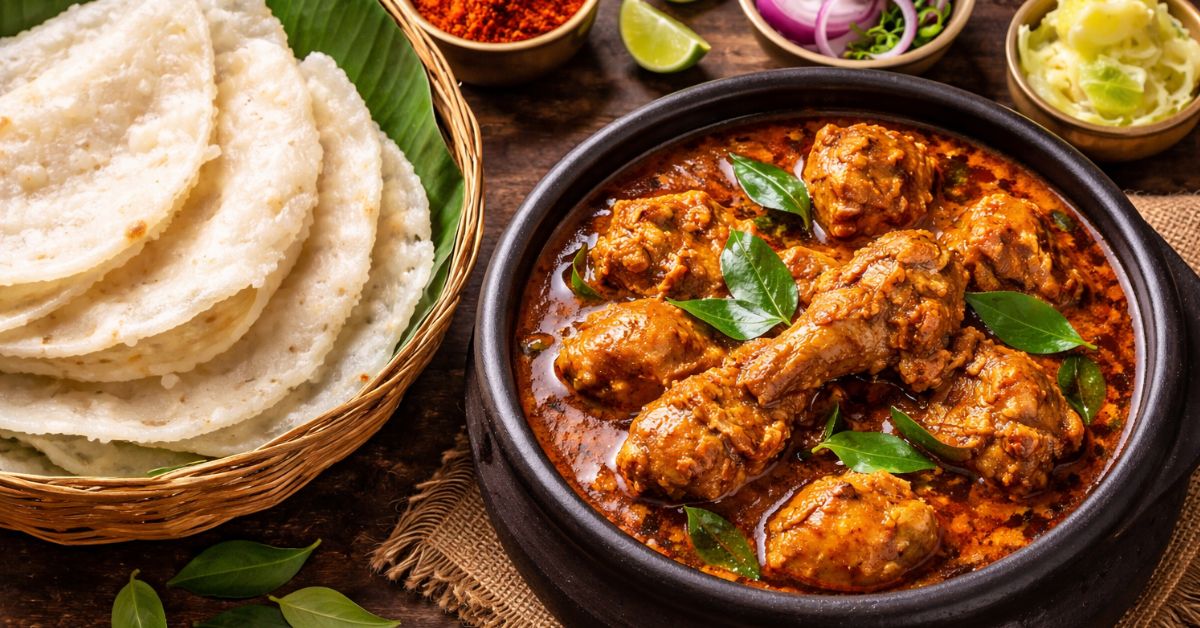
How to Make Mangalorean Chicken Curry
Dry broil ground coconut, ruddy chilies, coriander seeds, cumin seeds, and garlic until fragrant and golden.
Allow the blend to cool, at that point pound it with turmeric and tamarind into a smooth glue utilizing water.
Heat coconut oil in a skillet and sauté onions until delicate and delicately browned.
Add curry takes off and the ground masala. Cook until oil begins separating.
Add chicken pieces and salt, blend well, and cook for a few minutes.
Pour water as required and stew until the chicken is delicate and the curry gets to be wealthy and flavorful.
Switch off the fire and let the curry rest for a few minutes some time recently serving.
Ingredients for Conventional Mangalorean Rotti
Rice flour – 1½ cups
Fresh ground coconut – 2 tbsp
Salt – to taste
Warm water – as needed
How to Get ready Delicate Mangalorean Rotti
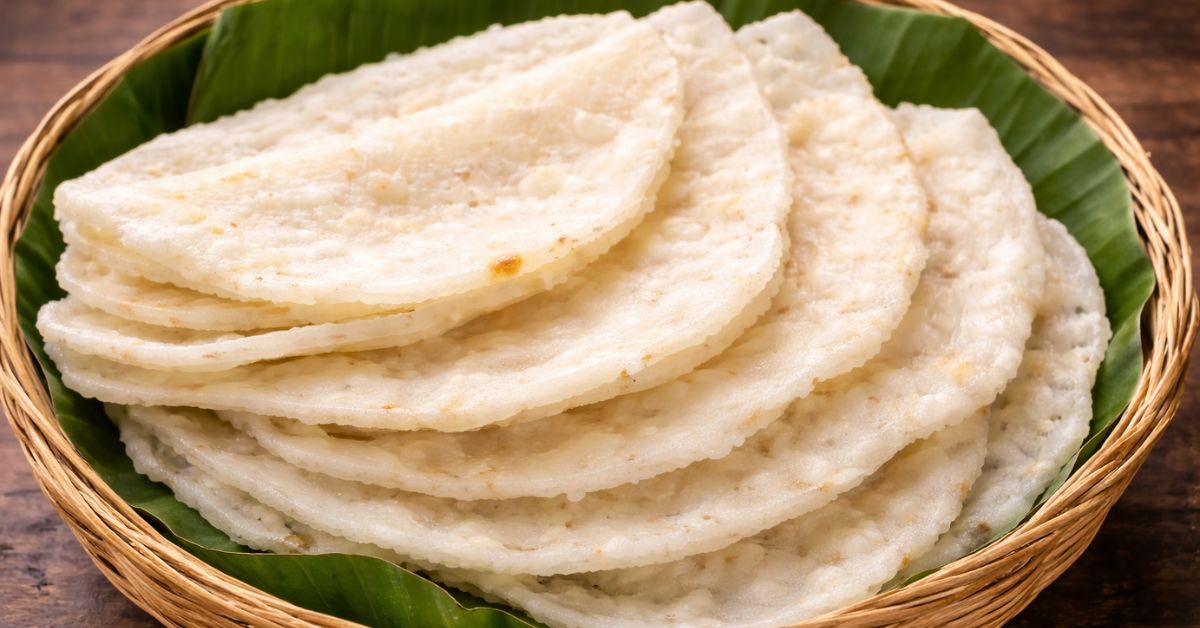
Mix rice flour, ground coconut, and salt in a bowl.
Gradually include warm water and manipulate into a delicate, smooth dough.
Divide into medium-sized balls.
Flatten each ball delicately on a plastic sheet or banana leaf utilizing fingers.
Cook on a hot tawa without oil until both sides are cooked and soft.
Remove and keep secured to hold moisture.
Serving Suggestions
Serve hot Mangalorean chicken curry with naturally arranged rotti.
Add a side of cut onions or straightforward vegetable stir-fry.
This dish tastes best when eaten new and warm.
Tips for Best Taste
Always utilize coconut oil for true coastal flavor.
Roasting coconut appropriately gives the curry its signature taste.
Do not overcook rotti, as it ought to stay delicate and pliable.
Allow the curry to rest for 10 minutes for improved flavor.
Frequently Inquired Questions (FAQ)
1. What makes Mangalorean chicken curry different?
Mangalorean chicken curry employments simmered coconut and flavors, giving it a profound, wealthy, and marginally smoky flavor special to coastal Karnataka.
2. Can I make this curry without coconut?
Coconut is basic for true taste, but you can utilize coconut drain as an alternative.
3. Is rotti the same as chapati?
No, rotti is made utilizing rice flour, whereas chapati is made from wheat flour.
4. Can I plan rotti in advance?
Rotti is best served new, but you can keep it secured and warm for a few hours.
5. Which rice flour is best for rotti?
Fine-quality rice flour works best for delicate and smooth rotti.